Deck Installation Costs Explained: Budgeting for a Safe and Lasting Outdoor Space
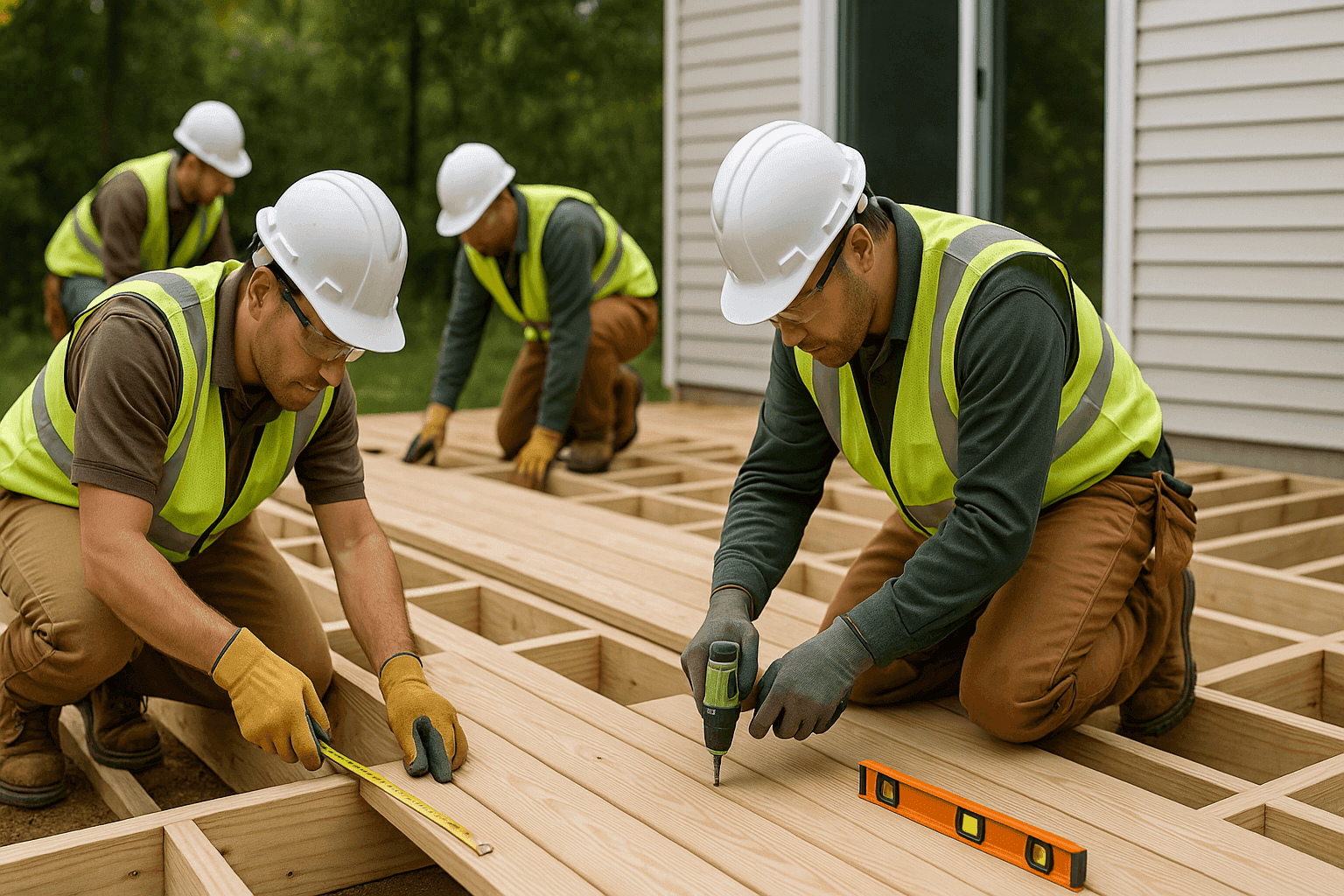
Building a deck is more than just a home upgrade. It’s an investment in your family’s safety and comfort—a place for sunsets, laughter, and quiet moments. But before you can enjoy that first barbecue, there’s a puzzle every homeowner faces: How much will it cost to install your dream deck?
At Zoo Decks, we know the price tag can feel like a mystery. Let’s pull back the curtain and show you what really shapes decking costs—so you can plan with confidence, not guesswork.
Key Factors Affecting Deck Costs 🛠️
Deck installation isn’t one-size-fits-all. Like a sandwich made your way, the price depends on the layers you choose and how thick you pile them on. Here are the main ingredients:
- Materials: Pressure-treated wood, composite, hardwood, or even specialty options each have their own price range and lifespan.
- Size: A small landing or a multi-level party platform? More square footage means more materials and labor.
- Design Complexity: Simple rectangles cost less than decks with curves, built-in seating, or intricate railing systems.
- Labor: Skilled hands matter. Labor rates vary depending on your location and the experience of the crew.
- Site Conditions: Sloped yards, poor soil, or access issues can add to the bill.
A deck is like a tailored suit. Off-the-rack is cheaper, but it might not fit your needs or last as long as something custom-made.
Material Choices and Price Ranges
The right material shapes your deck’s look, feel, and lifespan. Each comes with its own cost—and trade-offs.
Pressure-Treated Wood
- Most affordable upfront
- Requires regular maintenance (staining, sealing)
- Lifespan: 10–15 years with care
- Vulnerable to weather and insects
Composite Decking
- Middle price range
- Low maintenance—cleans with soap and water
- Won’t splinter or rot
- 25–30+ year lifespan
Hardwoods (Ipe, Mahogany, etc.)
- Premium price
- Dense, beautiful, and naturally resistant to bugs and rot
- Can last several decades with maintenance
- Heavy—needs a strong structure
Material choice is the backbone of your deck’s cost. Think of it as picking tires for your car: some last longer or ride smoother, but they come at a price.
Hidden or Seasonal Costs to Watch For 🌦️
It’s easy to focus on boards and nails, but hidden—and sometimes seasonal—costs can sneak up on you:
- Permits & Inspections: Most towns require permits. Fees vary, but skipping them is risky and could cost you more later.
- Site Preparation: Clearing old decking, leveling ground, or dealing with unexpected drainage adds to the total.
- Disposal: Hauling away debris isn’t always included in your quote.
- Emergency Builds: Need a deck after a storm or just before the holidays? Rush jobs usually have higher labor rates.
- Seasonal Factors: In some areas, building in winter can cost more, or you may face delays from rain or cold.
Planning for these costs keeps your project on track—and your wallet happy.
How to Estimate Your Project (DIY vs Professional Installation)
Dreaming of tackling the deck yourself? Here’s a quick reality check:
DIY Approach
- Pros: Potential savings on labor; satisfaction of doing it yourself
- Cons: Time-consuming, physically demanding, and mistakes can be costly or unsafe
- Permitting and Code: Homeowners are still responsible for meeting local safety codes (consult the International Residential Code for decks)
Professional Installation
- Pros: Faster, safer, and meets code. Licensed, insured contractors like Zoo Decks bring years of skill and peace of mind.
- Cons: Higher upfront labor costs, but less risk of expensive errors or injuries
Tip: Ask for a detailed, written quote that breaks down labor, materials, and extras. Transparency is key—honest pricing builds trust.
Why Transparent Pricing and Licensed Contractors Matter
Let’s be real: shortcuts in decking can cost you more in the long run. Choosing a contractor who’s licensed and insured means you’re getting someone who stands by their work and knows the safety codes inside and out.
- Insurance protects you if someone gets hurt on the job
- Licensing ensures skill and up-to-date code knowledge
Always ask: Are you licensed and insured? Get it in writing. It’s your home—and your peace of mind.
Practical Tips for Homeowners
- Set aside 10–20% extra for surprises—rotten framing, hidden roots, or changes mid-project
- Compare material samples in person; looks and feels can be different than photos
- Read your contract carefully; clarify what’s included and what’s not
- Request inspections at key stages (foundation, framing, final) to ensure quality and safety
For more on safety and code guidelines, the North American Deck and Railing Association (NADRA) and your local building department are great resources.
Frequently Asked Questions
How long does deck installation usually take?
A standard deck (12x16 feet) typically takes 1–3 weeks from permits to final inspection. Bad weather, custom features, or permit delays can extend this.
Can I save money by reusing my old deck’s frame?
If your existing frame is solid and meets code, you might reuse it. But hidden rot or outdated construction often make replacement safer and more cost-effective.
Are deck inspections really necessary?
Absolutely. Inspections catch safety issues early and keep your project up to code, helping avoid headaches (and extra costs) later.
How often should I budget for deck maintenance?
Pressure-treated wood decks need annual cleaning and sealing. Composites usually need a spring cleaning and inspection.
Seasonal & Local Considerations 🍂
Weather and local regulations can make a big impact:
- Rainy climates: Opt for rot-resistant materials and plan for drainage
- Hot, sunny regions: Consider UV-resilient composites or hardwoods to reduce fading and splintering
- Cold winters: Extra labor may be needed for frozen ground or snow removal
Your local building department can provide specifics on permits, setbacks, and approved materials.
Building a deck should be exciting—not stressful. With the right planning and a clear understanding of the true costs, you can create a safe, beautiful space that lasts for years.
Call Zoo Decks now — or reach us anytime at 877-734-4287 .